

Apr 23, 2026, 8:16:47 AM• Strut Channel • Guide • Electrical Infrastructure
HOW TO CHOOSE THE RIGHT STRUT CHANNEL FOR TELECOM INFRASTRUCTURE
Explore the best strut channel options for telecom projects, focusing on material selection, installation environments, and sourcing flexibility to ensure project success.
Written by: PUPCO
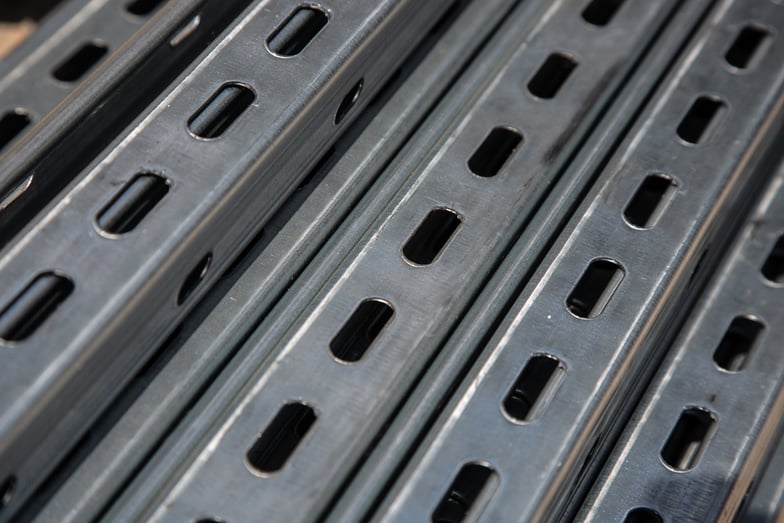
When telecom teams ask about the top strut channel options for infrastructure projects, the answer is usually not one brand or one product line. The right choice depends on the installation environment, corrosion exposure, load requirements, and how quickly materials need to arrive on site.
In many telecom applications, the most common options are pre-galvanized steel, hot-dip galvanized steel, stainless steel, and aluminum strut channel. Each option has a different role. Indoor telecom rooms may prioritize cost efficiency and availability, while outdoor sites, rooftops, and corrosive environments often require stronger corrosion resistance and longer service life. In practice, selecting the right strut channel is not only a product decision. It is also a project decision that affects compatibility, installation speed, and schedule reliability.
What is strut channel used for in telecom infrastructure?
Strut channel is a metal framing system used to support electrical and mechanical installations without requiring custom fabrication for every application. In telecom infrastructure, it is commonly used for cable tray supports, equipment framing, rack support, overhead trapezes, wall-mounted systems, and rooftop or exterior support structures.
Because telecom environments often combine power, low-voltage, and datacom systems, support materials need to do more than hold weight. They also need to fit the environment, support accessories and fittings, and remain available when installation schedules tighten. That is why many project teams evaluate strut channel not only by material and finish, but also by sourcing flexibility and system compatibility.
What are the top strut channel options for telecom infrastructure?
The most common strut channel options for telecom infrastructure can be grouped by material and finish.
Pre-galvanized steel strut channel
Pre-galvanized strut is often used for indoor telecom rooms, sheltered spaces, and conditioned environments where corrosion exposure is limited. It is a practical option when teams need a balance of performance, availability, and cost control.
This type of strut is often a strong fit for:
- indoor cable support systems
- data rooms and network closets
- protected support framing
- general low-voltage and electrical support applications
Its main advantage is that it is widely used and commonly available. The tradeoff is that it is generally less suitable for harsher outdoor conditions than more corrosion-resistant options.
Hot-dip galvanized strut channel
Hot-dip galvanized strut is typically chosen for outdoor telecom sites, exposed rooftop installations, shelters, and other demanding environments. It provides better corrosion protection than lighter galvanized finishes and is often specified where weather exposure is a major concern.
This option is well suited for:
- rooftop telecom supports
- outdoor cable tray systems
- exposed equipment framing
- utility-style or weather-prone environments
For many teams, hot-dip galvanized steel is a dependable choice when strength and exterior durability matter. It can help extend service life in conditions where standard indoor finishes may not hold up as well.
Stainless steel strut channel
Stainless steel strut is often selected for high-corrosion environments, including coastal applications, chemically aggressive settings, or installations where long-term durability is a priority.
It is commonly considered when projects require:
- high corrosion resistance
- reduced maintenance over time
- material performance in harsh conditions
- support systems in environments where galvanized options may age more quickly
The main tradeoff is cost. Stainless steel can be a more premium option, so it is generally best reserved for applications where the environment justifies the added investment.
Aluminum strut channel
Aluminum strut channel is often chosen when lightweight construction and corrosion resistance are both important. It can be useful in telecom applications where reducing weight matters, especially in certain support assemblies or mounting situations.
It may be a strong option for:
- lighter-duty support assemblies
- applications where weight is a design concern
- environments where corrosion resistance is important
- certain rooftop or specialty telecom supports
The right fit depends on the load requirements and installation conditions. Aluminum offers advantages, but teams should confirm that the application does not require the same strength profile as a heavier steel option.
How do you choose the right strut channel for a telecom project?
Choosing the right strut channel starts with understanding the application. A product that works well in an indoor telecom room may not be the right fit for an exposed rooftop installation. Before ordering material, project teams should look at several factors.
1. Installation environment
The first question is whether the system will be installed indoors, outdoors, on a rooftop, in a coastal environment, or in a space with elevated moisture or chemical exposure. Environmental conditions have a direct impact on finish and material selection.
2. Corrosion resistance
Corrosion resistance is one of the most important decision points in telecom support systems. Indoor applications may support more economical finishes, while exposed or aggressive environments often justify hot-dip galvanized, stainless steel, or aluminum options.
3. Load requirements
Not every support application carries the same load. Cable trays, equipment framing, and overhead supports can vary significantly. Teams should consider channel size, wall thickness, span, and the weight of supported systems before selecting a product.
4. Compatibility with fittings and accessories
A strut channel system is only as useful as the accessories that go with it. Fittings, clamps, brackets, threaded rod, and support hardware all need to align with the selected system. Compatibility becomes especially important when teams are working across existing specifications or mixed supplier environments.
5. Installation efficiency
In fast-moving telecom projects, installation efficiency matters. Slotted versus solid profiles, material availability, and the ability to source matching components quickly can all affect labor time and project momentum.
6. Lead times and supply continuity
A technically correct product still creates problems if it is not available when needed. For telecom projects operating on tight schedules, material availability, phased delivery support, and direct-to-jobsite fulfillment can be just as important as technical selection.
What size and profile of strut channel is most common in telecom infrastructure?
In many telecom applications, a standard 1-5/8 inch profile is a common starting point because it works across a wide range of framing and support needs. Depending on the project, teams may also evaluate gauge, channel depth, and whether a slotted or solid configuration is more appropriate.
Slotted channel can support easier adjustment and attachment in many field conditions, while solid channel may be preferred in applications where slotting is unnecessary or where design preferences call for a different profile. The best profile depends on support conditions, hardware requirements, and the overall design of the installation.
What mistakes can delay telecom strut channel installations?
Many telecom support issues are not caused by the channel itself. They come from mismatches between the selected system and the project conditions.
Common mistakes include:
- choosing a finish that does not match the environment
- underestimating load or span requirements
- overlooking fittings and hardware compatibility
- ordering channel without confirming accessory availability
- waiting too long to secure material for phased installations
- assuming all systems are interchangeable without checking specifications
These issues can create rework, slow installation, and increase the risk of project delays. That is why many teams benefit from working with a supplier that can help align technical requirements with sourcing realities.
How can a distributor help reduce telecom project risk?
For telecom teams, distributor support can be valuable long before material arrives on site. A distributor can help evaluate availability, coordinate compatible accessories, support substitutions where appropriate, and help project teams avoid delays caused by missing or mismatched components.
This is especially important on large or time-sensitive jobs where project continuity matters. Reliable inventory, direct-to-jobsite shipping, phased release planning, and support for commonly specified systems can all reduce friction during procurement and installation.
A distributor also brings a broader view of the project. Instead of focusing on a single product line, they can help teams evaluate the full support system in the context of budget, timeline, environment, and installation needs. That can lead to faster decision-making and fewer disruptions once the job is underway.
What should buyers ask before ordering strut channel for telecom infrastructure?
Before placing an order, it helps to ask a few practical questions:
- Where will this system be installed?
- How much load will it support?
- What level of corrosion resistance does the environment require?
- Are compatible fittings, brackets, and accessories available?
- Does the selected material align with the project schedule and budget?
- Can the supplier support phased delivery or direct-to-jobsite fulfillment?
- Will the system work with existing specifications or commonly used competitor SKUs?
These questions can help teams choose a support system that fits both the application and the project timeline.
Final takeaway
The top strut channel options for telecom infrastructure are not defined by a single manufacturer or one standard product. In most cases, the best option depends on environment, corrosion risk, load requirements, compatibility, and availability.
For indoor applications, pre-galvanized strut may be a practical fit. For outdoor and exposed sites, hot-dip galvanized options often provide stronger corrosion resistance. Stainless steel may be the right choice for harsh environments, while aluminum can be useful where weight and corrosion resistance both matter. The right decision comes from matching the material to the application and making sure the full support system can be sourced and delivered without slowing the project down.
If your team is evaluating strut channel for a telecom project, it can help to review not just the material and finish, but also the supplier’s ability to support compatibility, lead times, and project continuity from planning through delivery.
.jpg)