

Jul 22, 2026, 9:09:24 AM• Pole Line Hardware • Aerial Fiber • MIROC Minute • secure anchoring
MIROC Minute: What Makes an Aerial Cable Support System Reliable?
Learn what makes an aerial cable support system reliable, from cable tension and secure anchoring to grounding, compatible hardware and planning for long-term performance.
Written by: PUPCO
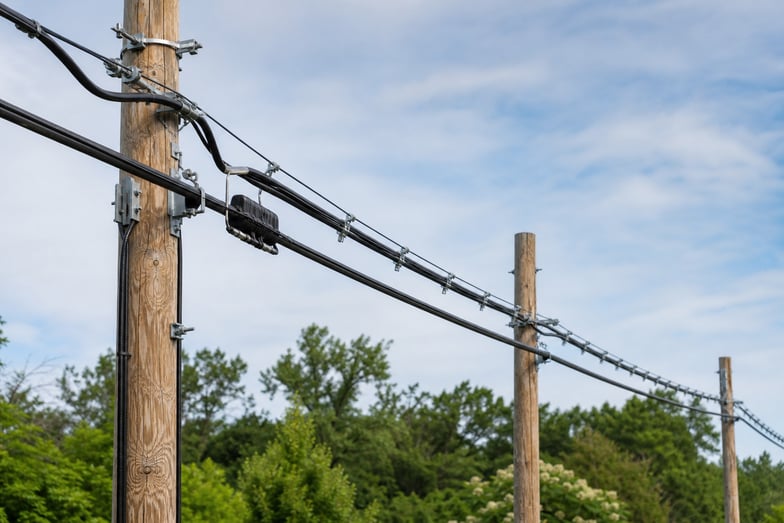
MIROC Minute: What Makes an Aerial Cable Support System Reliable?
An aerial cable support system is only as reliable as the components it is built with. Long-term performance depends on more than selecting quality hardware. It requires choosing the right components, maintaining proper cable tension, protecting against environmental conditions, and designing a system that works together.
For datacom and telecommunications infrastructure, reliability is not a single-product decision. It is the result of how support hardware, anchoring points, grounding practices, and material compatibility perform together across the life of the installation. When each element is specified with the application in mind, teams can improve dependable performance, reduce maintenance demands, and support safer, more consistent network operation.
Whether you are expanding an existing network or planning a new outside plant installation, the following considerations can help improve system reliability and extend infrastructure service life.
Why aerial cable support system reliability matters
Aerial cable systems operate under constant mechanical and environmental stress. Wind, temperature changes, moisture, ultraviolet exposure, vibration, and loading conditions all affect how the system performs over time. Even when the cable itself is properly selected, weak points in the support system can create avoidable issues such as:
- Excessive sag or uneven cable tension- Premature wear at attachment points
- Reduced stability at poles or structures
- Corrosion-related hardware degradation
- Increased maintenance frequency
- Higher lifecycle costs
A reliable aerial cable support system helps maintain cable position, supports structural integrity, and reduces the likelihood of failures that can interrupt service or require unplanned repairs.
1. Cable support and tension management
Cable support and tension management are foundational to long-term system performance. If tension is too high, the system can place unnecessary stress on the cable, support hardware, and anchoring points. If tension is too low, sag, movement, and inconsistent loading can affect both reliability and appearance.
When evaluating cable support and tension management, consider:
- Cable weight and span length- Environmental loading, including wind and ice where applicable
- Manufacturer guidance for cable handling and support
- Expected movement from temperature fluctuation and thermal expansion
- The relationship between messenger components, clamps, brackets, and other support hardware
A well-planned support approach helps distribute loads more evenly and protects the cable from unnecessary strain over time. This is especially important in outside plant environments where operating conditions can change significantly throughout the year.
2. Secure anchoring
Secure anchoring plays a critical role in the stability of an aerial cable support system. The strongest cable support hardware cannot deliver dependable performance if anchoring points are underspecified, improperly selected, or mismatched to the structure.
Anchoring decisions should account for:
- Pole or structure type- Expected mechanical load
- Span configuration
- Installation environment
- Compatibility between anchors, brackets, bolts, and support components
Secure anchoring is not simply about holding the system in place on day one. It is about maintaining stability under changing field conditions and repeated stress over time. Properly selected pole line hardware helps support consistent system behavior and can reduce the likelihood of movement, loosening, or premature component wear.
3. Grounding considerations
Grounding is another important consideration in aerial cable support system design. Grounding requirements vary by application, system design, and governing standards, so teams should evaluate grounding needs early in the specification process.
A thoughtful grounding approach can help support:
- System safety- Code and standards alignment
- Protection of connected equipment
- Overall infrastructure reliability
Because grounding practices depend on the application and environment, they should be reviewed as part of the total system design rather than treated as an isolated detail. Aerial installations that overlook grounding considerations may create avoidable performance and maintenance challenges later.
4. Compatible hardware
Compatible hardware is essential for reliable system performance. Even when individual components are strong and well-made, performance can suffer when parts are combined without full consideration of fit, material compatibility, loading demands, and environmental exposure.
When selecting compatible hardware, review:
- Material compatibility across connected components- Corrosion resistance for the installation environment
- Dimensional fit between cable support hardware and attachment points
- Load ratings across the full assembly
- Whether the system is designed to work together as a complete solution
For example, a corrosive environment may call for more careful evaluation of material selection across clamps, brackets, fasteners, and related hardware. Compatibility should be assessed across the full assembly, not component by component in isolation.
5. Planning for long-term performance
Long-term performance starts in the planning phase. Teams that evaluate the full installation environment and the interaction between components are better positioned to build systems that remain reliable over time.
Effective planning often includes:
- Reviewing installation conditions before product selection- Matching support hardware to cable type, span, and structural requirements
- Accounting for environmental exposure and service demands
- Confirming that components work together as a system
- Planning for inspection, maintenance access, and lifecycle expectations
This is where technical expertise and a customer-first approach can make a meaningful difference. Thoughtful specification helps prevent avoidable field issues and supports more efficient project execution from the start.
Common mistakes that reduce aerial cable support system reliability
Teams can improve results by avoiding a few common specification and installation mistakes:
- Treating each component as a standalone purchase rather than part of a complete support system- Overlooking tension management during span planning and hardware selection
- Using mismatched materials in environments where corrosion resistance matters
- Underestimating anchoring requirements for the structure and expected loads
- Leaving grounding decisions until late in the project instead of evaluating them early
These issues may not be obvious at installation, but they can affect dependable performance and maintenance needs over time.
How to choose the right aerial cable support system components
If you are evaluating components for a new installation or system expansion, start with these questions:
- What environmental conditions will the system face?- What cable type, span length, and loading conditions must the support system handle?
- Are the anchoring components appropriate for the structure and application?
- Have grounding needs been reviewed as part of the full design?
- Are all selected components compatible in material, fit, and function?
- Is the system being specified for immediate installation only, or for long-term service life?
Aerial cable support system design is most effective when product selection, installation requirements, and long-term service expectations are considered together.
Final takeaway
An aerial cable support system delivers reliable performance when the full assembly is designed to work together. Cable support and tension management, secure anchoring, grounding considerations, compatible hardware, and long-term planning all contribute to system reliability.
For distributors, utility planners, and telecommunications infrastructure teams, the goal is not simply to source parts. It is to specify a durable solution that supports safety, consistency, and long-term infrastructure performance.
If you are reviewing an aerial cable support system for a new project or an upgrade, start by evaluating how each component contributes to the performance of the full system. That approach supports better decisions in the field and more reliable results over time.
Frequently asked questions about aerial cable support systems
What is an aerial cable support system?
An aerial cable support system is the combination of hardware and support components used to suspend, secure, and help protect cable in above-ground installations. It typically includes support hardware, anchoring components, and related accessories designed to manage mechanical loads and environmental exposure.
Why is cable tension important in an aerial cable support system?
Cable tension affects sag, mechanical stress, and long-term system stability. Proper tension management helps reduce unnecessary strain on the cable and support hardware while supporting more consistent performance.
Why does hardware compatibility matter?
Hardware compatibility matters because a support system performs as an assembly, not as isolated parts. Material mismatch, poor fit, or uneven load capability can affect reliability and service life.
What should teams consider in corrosive environments?
In corrosive environments, teams should closely evaluate material selection, corrosion resistance, and how connected components will perform together over time. This can help reduce premature wear and maintenance demands.
When should grounding be evaluated?
Grounding should be evaluated early in system design so it can be addressed as part of the complete installation approach, alongside support hardware selection, anchoring, and environmental considerations.
.jpg)