

Jul 7, 2026, 12:15:04 PM• Guide • Pole Line Hardware • Aerial Fiber • Dead-end Grip
MIROC Minute: What is a Dead-End Grip? Uses, Applications & Guide
Learn what a dead-end grip is, how it works, where it's used in aerial cable installations, and how to choose the right option for telecom projects.
Written by: PUPCO
What Is a Dead-End Grip? Uses, Applications & Selection Guide
When building or maintaining an aerial communications network, every component plays an important role in long-term reliability. One of the most important—but often overlooked—pieces of outside plant (OSP) hardware is the dead-end grip.
Dead-end grips help secure and terminate aerial cables while maintaining proper tension across the line. Whether you're installing new fiber infrastructure, replacing aging hardware, or expanding an existing network, selecting the right dead-end grip helps create a stable and dependable installation.
In this guide, we'll explain what a dead-end grip is, how it works, where it's used, and what to consider when selecting one for your application.
What Is a Dead-End Grip?
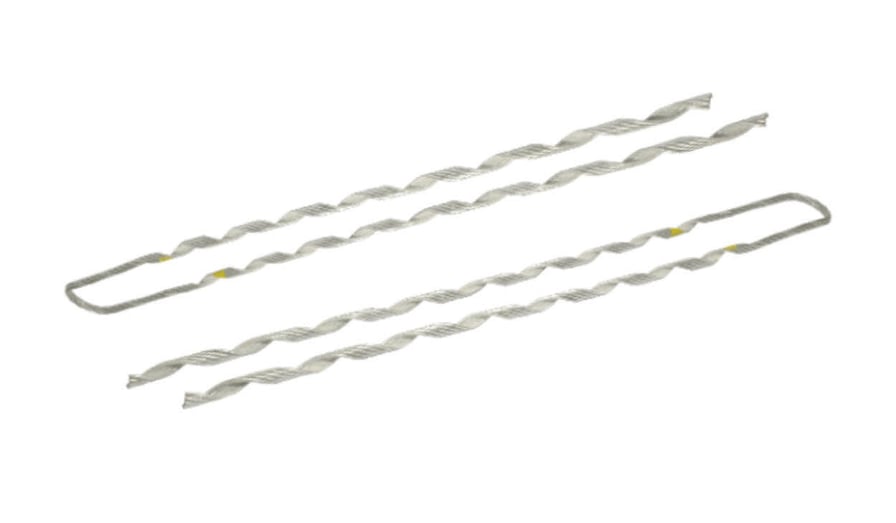
A dead-end grip, sometimes called a preformed dead-end grip, is a helical wire fitting designed to terminate and secure an aerial conductor or cable at the end of a span or where the line changes direction.
Unlike traditional clamps that rely on bolts or compression, dead-end grips wrap around the cable using preformed galvanized steel or aluminum rods. This design distributes holding force across a larger surface area, reducing stress concentrations that can damage the cable.
In simple terms:
A dead-end grip anchors an aerial cable while helping maintain proper tension and reducing the risk of cable slippage over time.
How Does a Dead-End Grip Work?
A dead-end grip is manufactured with preformed strands that match the diameter of the cable it's designed to support.
During installation, the grip is wrapped around the conductor by hand. As tension is applied to the line, the grip tightens naturally around the cable, creating a secure mechanical connection without crushing or deforming the conductor.
This design provides several advantages:
- Even load distribution- High holding strength
- Reduced cable damage
- Reliable long-term performance
- Minimal maintenance requirements
Because the grip becomes tighter as line tension increases, it offers dependable performance in changing weather conditions and varying mechanical loads.
Common Applications for Dead-End Grips
- Dead-end grips are commonly used throughout outside plant (OSP) and telecommunications infrastructure, including:
Fiber optic installations
Terminate aerial fiber cables on utility poles while maintaining proper line tension.
Telephone and communication lines
Secure messenger wire and communication cables throughout aerial distribution systems.
Electric utility distribution
Support overhead conductors used in power distribution networks.
Pole line construction
Anchor cables where spans begin, end, or change direction.
Guying systems
Terminate guy wires that stabilize utility poles and other structures.
Why Proper Hardware Selection Matters
Choosing the correct dead-end grip is critical for both installation performance and long-term reliability.
Using a grip that's improperly sized or designed for the wrong cable can lead to:
- Reduced holding strength- Cable slippage
- Premature wear
- Increased maintenance
- Potential system failures
Properly matching the grip to the cable diameter, material, and load requirements helps maximize the life of the installation while improving overall network reliability.
How to Choose the Right Dead-End Grip
Several factors should be considered when selecting a dead-end grip.
1. Cable Diameter
Dead-end grips are designed for specific conductor diameter ranges. Always verify the manufacturer's recommended cable size before installation.
2. Cable Type
Different grips are engineered for different cable constructions, including:
- Messenger wire- Strand
- Fiber optic cable
- Communication cable
- Utility conductors
3. Load Requirements
Understand the expected mechanical loads, including span length, wind loading, and environmental conditions.
4. Material Compatibility
Choose materials that are compatible with the conductor to minimize corrosion and maximize service life.
5. Environmental Conditions
Consider coastal environments, heavy ice, high winds, or other conditions that may affect long-term performance.
Benefits of Preformed Dead-End Grips
Compared to traditional termination methods, preformed dead-end grips offer several advantages:
- Fast installation- Reliable mechanical strength
- Even pressure distribution
- Reduced conductor damage
- Long service life
- Minimal maintenance
-f Proven performance in aerial utility applications
These benefits have made dead-end grips a trusted solution across telecommunications, electric utility, and outside plant construction projects.
Frequently Asked Questions
What is the purpose of a dead-end grip?
A dead-end grip secures and terminates an aerial cable or conductor while maintaining proper tension and reducing stress on the cable.
Where are dead-end grips used?
They're commonly used in telecommunications networks, fiber optic installations, electric utility distribution systems, and pole line construction.
Are dead-end grips reusable?
Most manufacturers recommend replacing a dead-end grip after removal, as installation and removal can affect its holding performance.
How do I know which dead-end grip I need?
Select a grip based on the cable diameter, cable construction, material compatibility, and the mechanical load requirements of your application. Always reference the manufacturer's specifications.
Complete Your Pole Line Hardware Package with MIROC
Dead-end grips are just one component of a complete aerial cable support system. MIROC offers a broad selection of pole line hardware designed to support telecommunications, broadband, and outside plant infrastructure projects.
From dead-end grips and guying hardware to suspension hardware, anchors, cable management products, and installation accessories, our team can help you identify compatible products for your application.
.jpg)
PUPCO
MIROC MINUTE